A Journey Through Milestones

Celebrating decades of achievements, leadership, and contributions that have shaped the legacy of Indian shipping.

1856: The beginnings of modern Starting of modern shipping industry in India

Sir William Mackinnon, a Scottish shipping magnate arrived in Calcutta in 1847 and partnered with Mr. Robert Mackenzie to form a partnership firm Mackinnon & Mackenzie in the year 1856. The main interest of the company was chartering vessels between Indian and Australia. This was probably the first India based shipping company owned by British Traders. This partnership firm owned a shipping company called Calcutta & Burma Steam Navigation Company in the same year.


1862: The British India Steamship Navigation Company (BISN)

The Calcutta & Burma Steam Navigation Company was renamed as British India Steamship Navigation Company (BISN) in 1862. The company successfully gained monopoly over Indian coastal trades as well as the Indo British trades despite facing tremendous competition from other European companies. Subsequently, the company was engaged in a ruthless competition with its competitors, some of whom were fledging Indian companies, which folded up.


1869: Opening of the Suez Canal

With the opening of the Suez Canal in 1969, trade between India and Britain increased manyfold as travelling time had reduced. The P & O and BISN became vary prosperous.

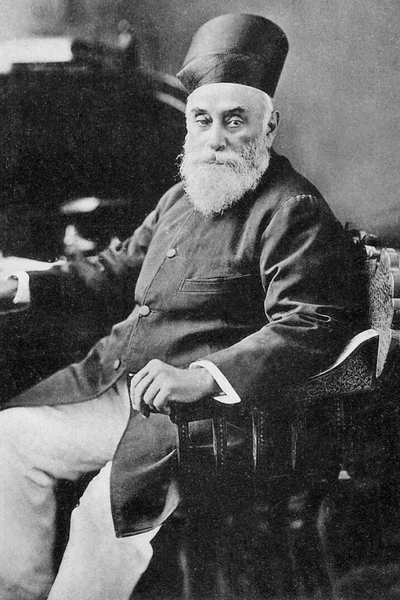
Shri Jamshedji Tata

1894: The Tata Line

Shri Jamshedji Tata started the Tata Line in partnership with Nippon Yusen Kaisha of Japan. To run the shipping business ethically and on low profit margins, the Tata Lines chartered two British and two Japanese ships to service India-China and India-Japan trades.

An established British liner company P&O dropped the freight rates drastically to push the Tata Line out of business. The Tata Line was unable to match the P&O rates and folded up within a year. Following its closure, P&O restored its earlier high freight rates.

1908: The Swadeshi Steam Navigation Company

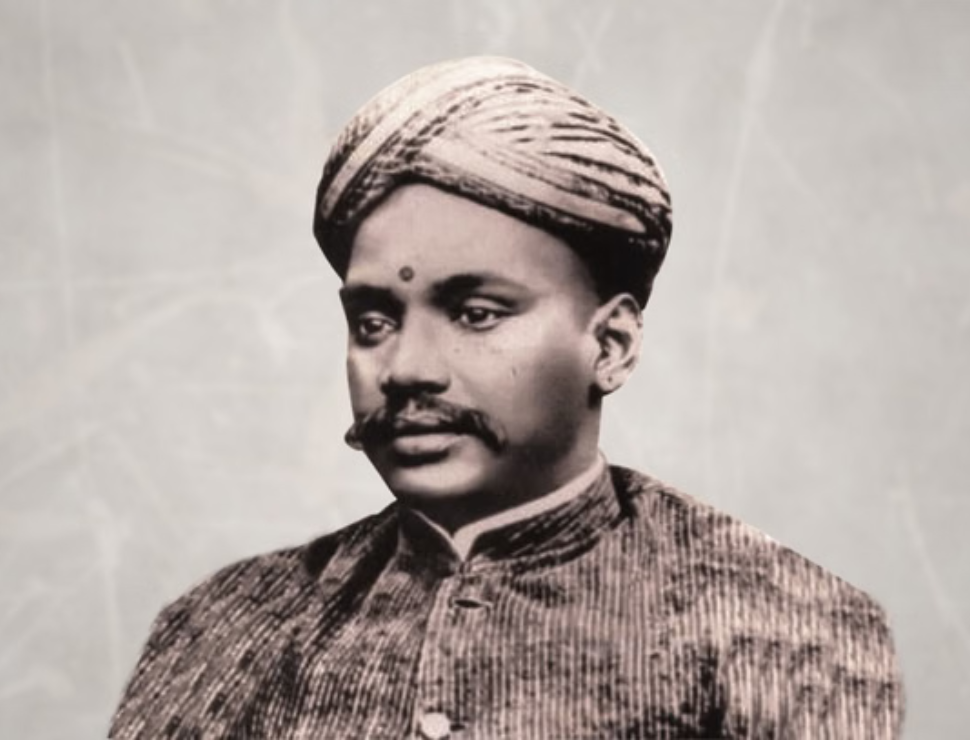
The Swadeshi Steam Navigation Company was founded in 1906 at Tuticorin by Shri V.O. Chidambaram Pillai. It was India’s first completely indigenous shipping company. It directly challenged the British India Steam Navigation Company’s monopoly on the Tuticorin–Colombo route. It therefore became a symbol of the Swadeshi movement. Shri V.O. Chidambaram Pillai was a lawyer and nationalist leader too. In 1908 he was arrested and sentenced to imprisonment. In his absence, the company succumbed to the onslaught of BISN company. The BISN and P&O had tacit support of the British government.

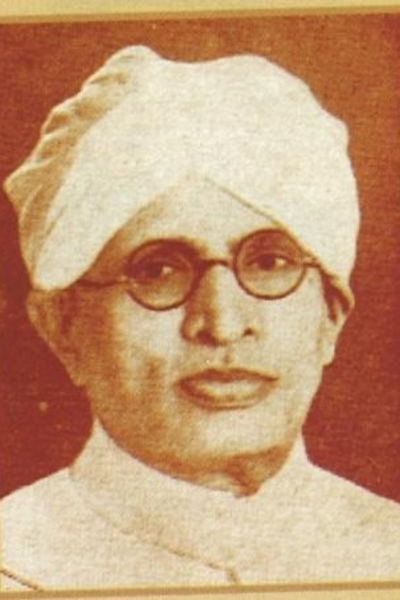
Shri V.O. Chidambaram Pillai (VOC)

1908: The Swadeshi Steam Navigation Company

The Swadeshi Steam Navigation Company, founded in 1906 at Tuticorin by Shri V.O. Chidambaram Pillai (VOC), was India’s first completely indigenous shipping company. It directly challenged the British India Steam Navigation Company’s monopoly on the Tuticorin–Colombo route, becoming a symbol of the Swadeshi movement. Shri V.O. Chidambaram Pillai was a lawyer and nationalist leader too.In 1908 he was arrested and sentenced to imprisonment. In his absence the company succumbed to the onslaught of BISN company. The BISN & P&O had tacit support of the British government.

1919: Formation of the Scindia Steam Navigation Company

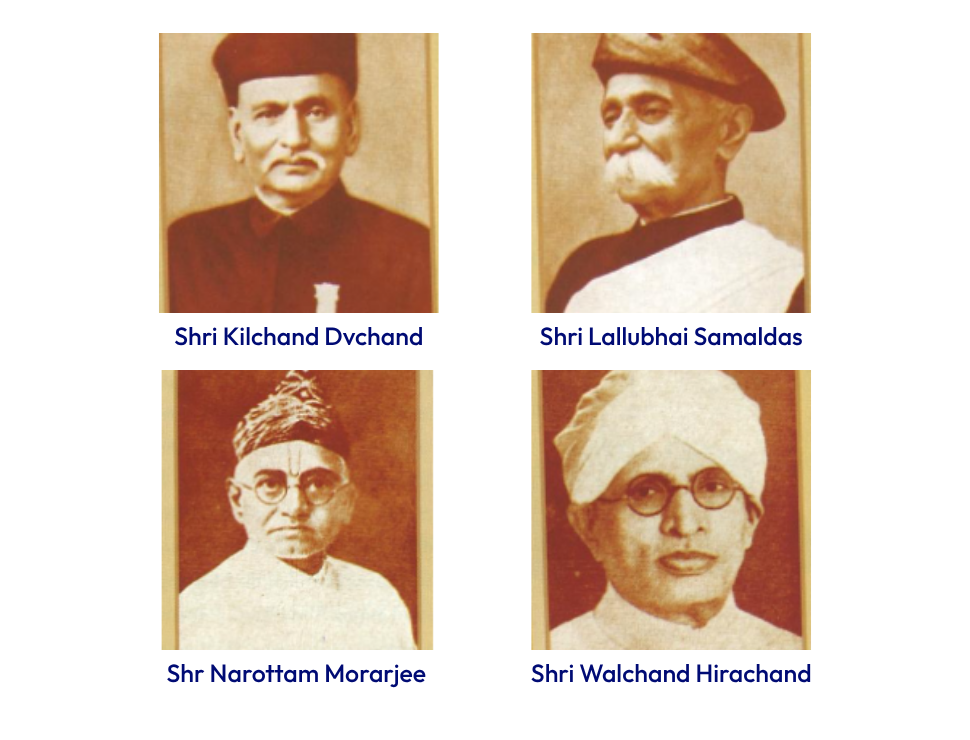
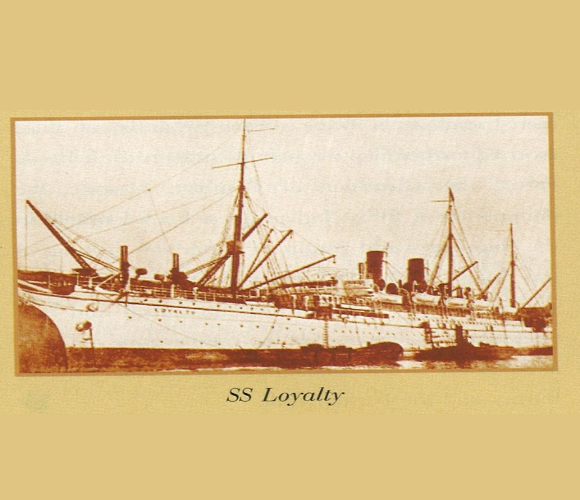
A renewed impetus to Indian shipping emerged with the establishment of the Scindia Steam Navigation Company in 1919. It was set up by Shri. Walchand Hirachand, with solid support from Shri. Narottam Morarjee, a textile magnate in Bombay. These were joined by two other participants like Shri. Lallubhai Samaldas and Kilachand Devchand. This syndicate bought their first ship ‘S.S. Loyalty’ which was previously owned by the Maharaja Scindia of Gwalior.

On April 5th 1919 ‘S.S. Loyalty’ sailed from Bombay on the historic maiden voyage to London. This represented a massive milestone as it was the first step towards securing India’s independence in international sea-based trade. This marked the breaking of colonial dominance over sea routes and sea trade.

1921: The early growth of the Scindia steam navigation Company

The Scindia Steam Navigation Company owned six steamers with total tonnage of 26,734 GT. The rate war continued but Scindia Steam Navigation Company had strong backing from both its shareholders and several nationalist leaders with Mahatma Gandhi at its forefront.

Shri Motilala Nehru

1927: Commissioning of a new ship by the Scindia Steam Navigation Company

Shri Motilala Nehru graced the occasion of launching Scindia Steam Navigation company vessel Jaladuta in November 1927.

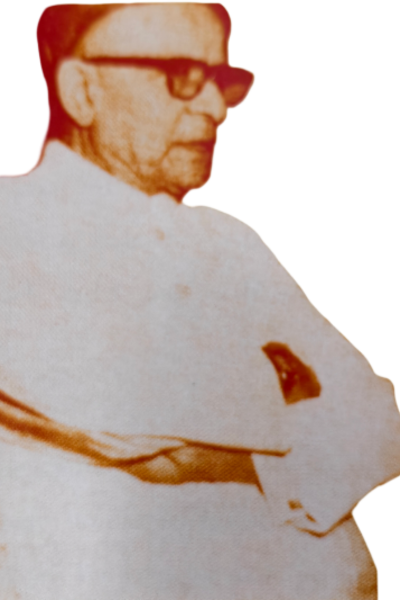
Shri Walchand Hirachand and Shri. M. A.Master

1929: Formation of Indian National Steamship Owners’ Association (INSOA)

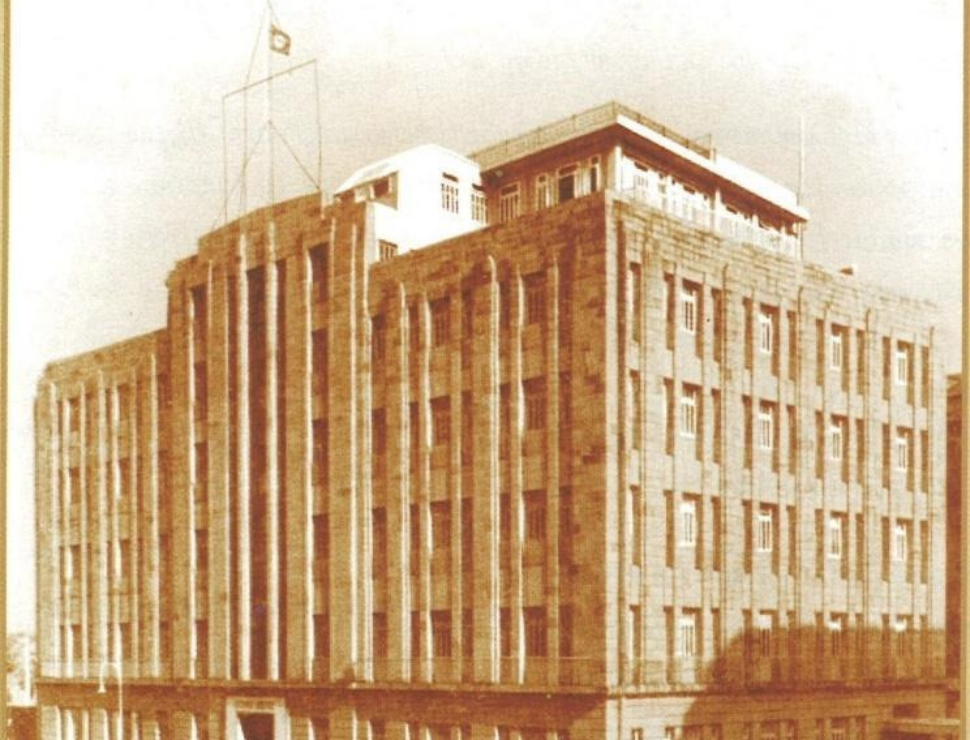
Largely through the pioneering efforts of Shri Walchand Hirachand, the Indian National Steamship Owners’ Association (INSOA) was formally established on 2 December 1929 with its registered office at Ballard Estate, Bombay. INSOA was constituted as the collective representative body of Indian shipowners with the objective of safeguarding their interests against colonial dominance and promoting the development of India’s mercantile marine in all its dimensions. Shri Walchand Hirachand served as its first President, Sir Bijoy Prasad Singh Roy as Vice-President, and Shri Atmaram Master as Honorary Secretary.

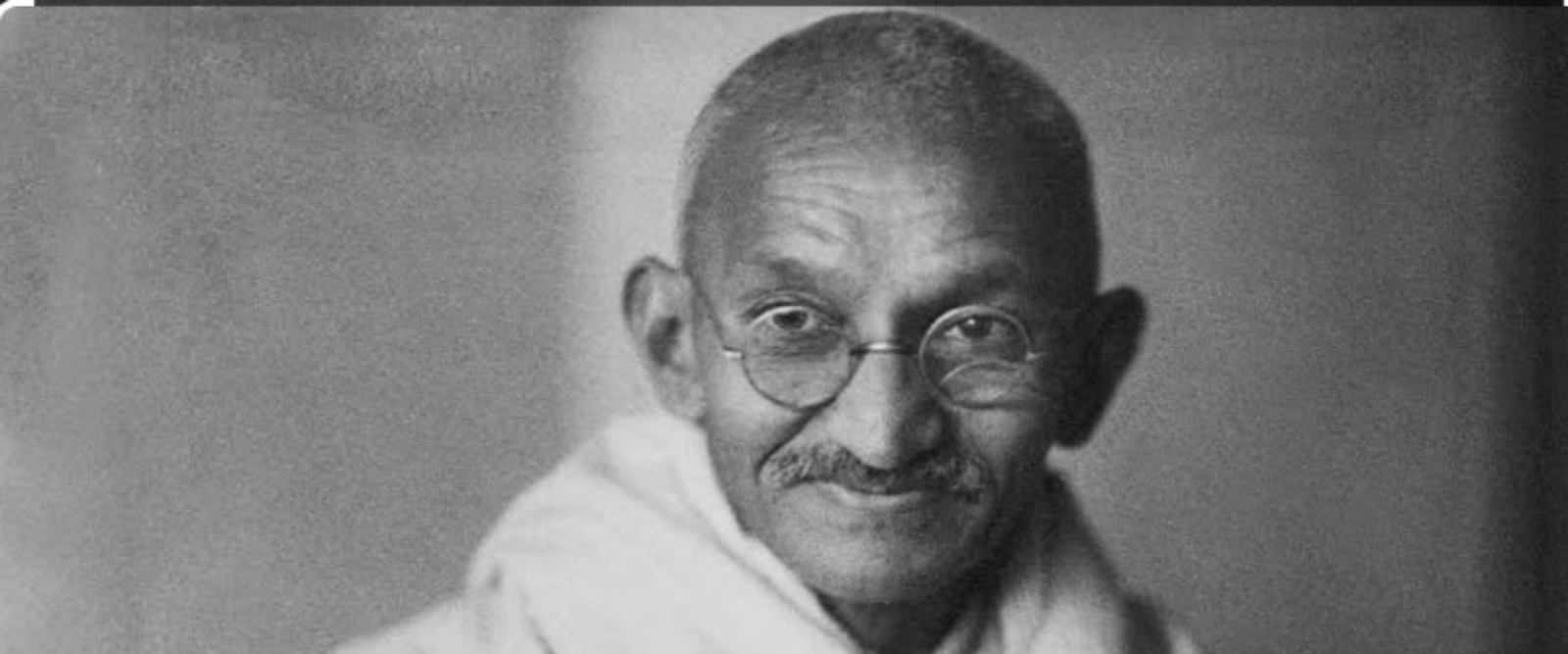
Mahatma Gandhi

1930: Dominion Status

The Congress Party had agreed to accept Dominion Status if it was granted before or on December 31, 1929, failing which it had resolved to pursue its goal of independence. This ultimatum was ignored by British government. It was at this point that Mahatma Gandhi made an offer to Lord Irwin that the Indian National Congress would cooperate with the government if it satisfied eleven of the vital needs of India. The most significant being the eighth demand which was the passage of the Coastal Traffic Reservation Bill. This is indicative of the importance given to coastal reservation of cargoes by Mahatma Gandhi.

1941: The first Indian Shipbuilding yard

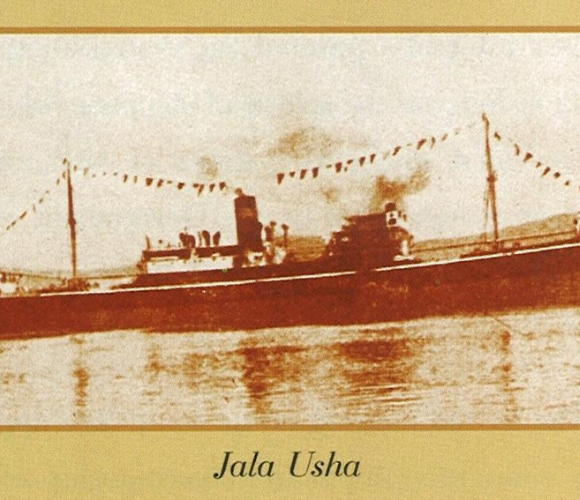
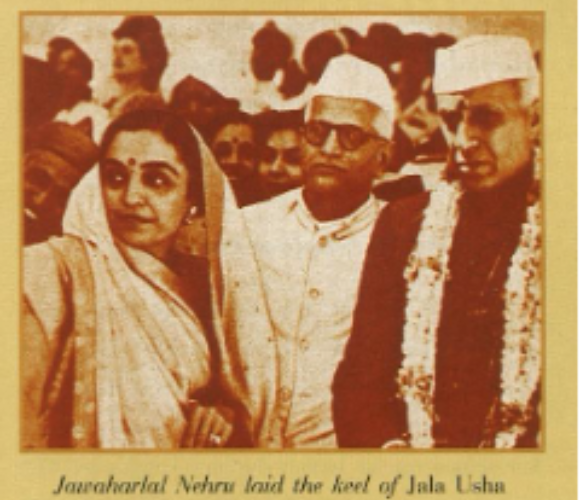
The Scindia Steam Navigation Company took the initiative in establishing the first Indian Shipbuilding yard, Scindia Shipyard at Vishakhapatnam. Dr. Rajendra Prasad, then President of the Indian National Congress laid the foundation of the yard. Jala Usha was the first ship built by the yard in 1948.

1948: Launching of the Jala Usha

Then Prime Minister Shri Jawahal Nehru graced the occasion of launching Scindia Steam Navigation Company’s vessel “Jala Usha” on March 14, 1948 at Scindia Shipyard at Vishakhapatnam. Braving all the initial difficulties, Scindia Shipyards launched 8 more ships between 1948 and 1952. Eventually, the shipyard was taken over by the Indian government and renamed as Hindustan Shipyard – the first modern shipyard of India.

In 1948, The Great Eastern Shipping Company began its maiden voyage under the entrepreneurial genius of Shri Vasant J. Sheth and steered ahead confidently, testing new waters and exploring new avenues. G E Shipping owes its success to the foresightedness of two families - the Sheths and the Bhiwandiwallas, who started their own shipping company line to help expand the reach of their trading businesses.

1957:The first woman to lead Shipping organisation

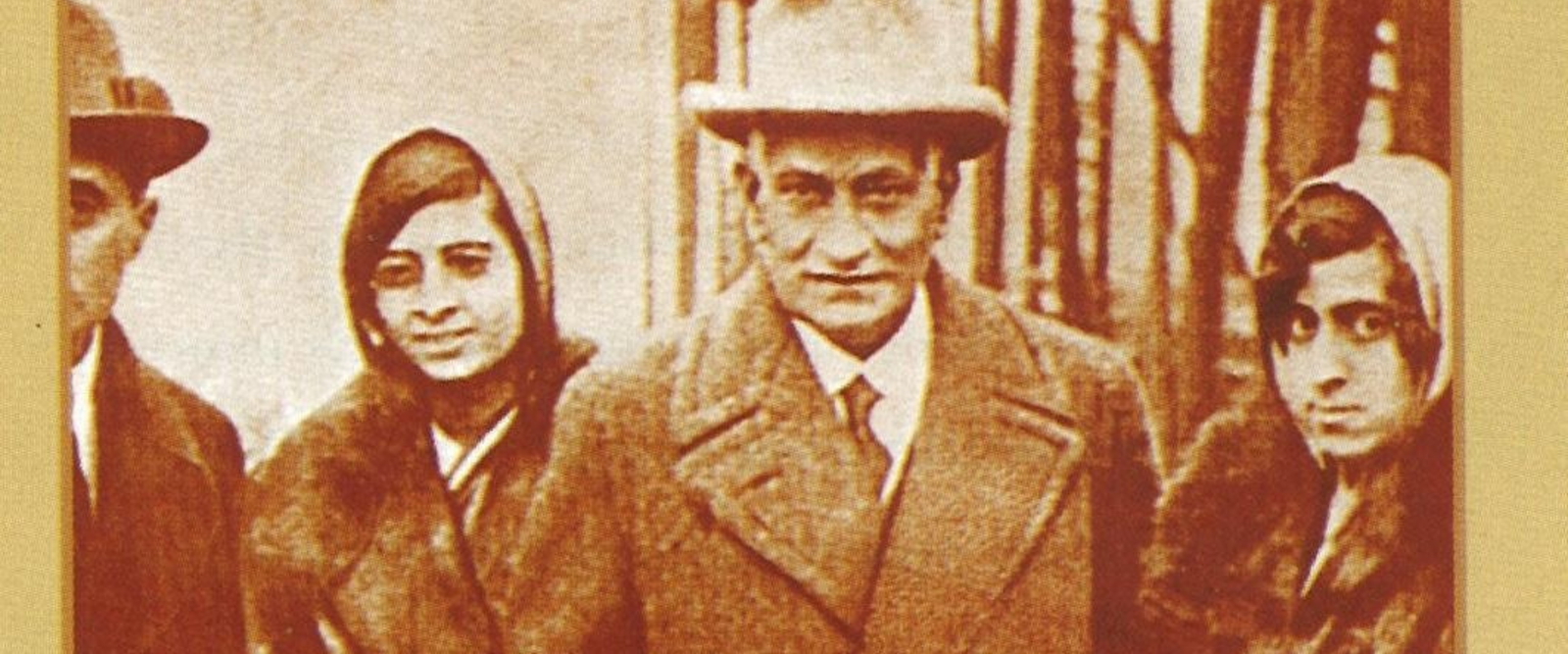
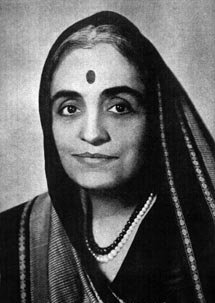
Smt. Sumati Morarji

Smt. Sumati Morarji was elected as President of INSOA, the first woman to lead any shipping organisation in the world. The Company of Master Mariners of India was registered under the Company's Act 1956 on 22nd August 1957.

1958: INSOA’s support to the welfare of the seamen.

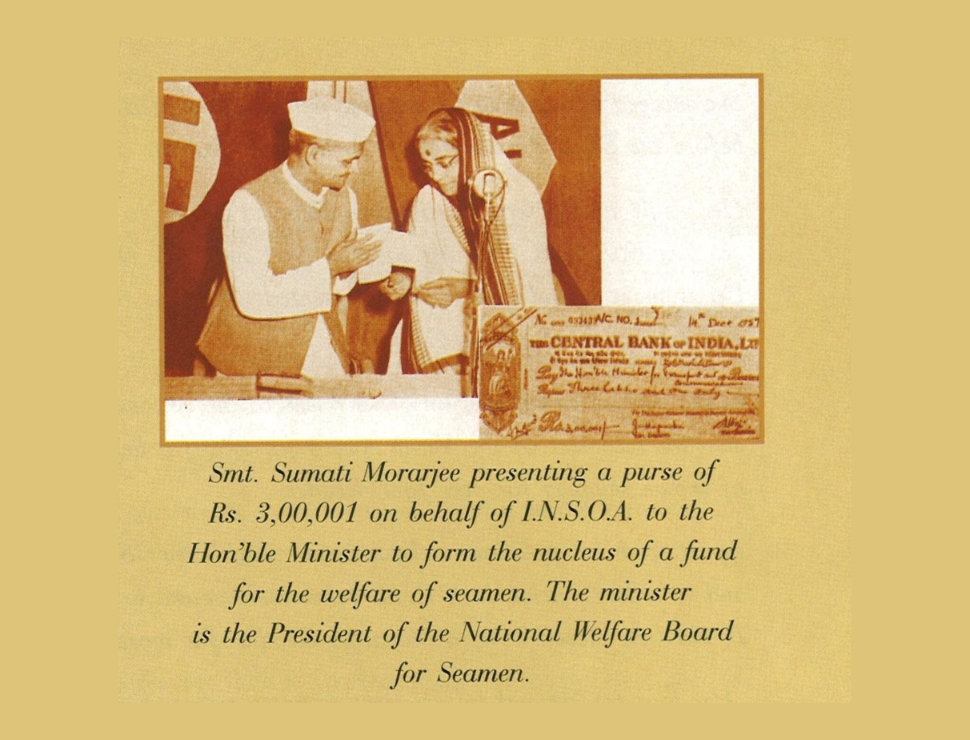
As the elected first President of INSOA, Smt. Sumati Morarji demonstrated the association’s commitment towards the welfare and betterment of the Indian seafaring community. On behalf of INSOA, she presented a contribution of Rs. 3 lakhs to the then Minister of Transport, Shri Lal Bahadur Shastri. This was the first dedicated fund for the welfare of seamen.

This initiative reflected INSOA’s vision of not only strengthening Indian shipping but also supporting the welfare of people who formed the backbone of the maritime industry. It marked an important step towards improving the lives, security, and well-being of Indian seafarers.

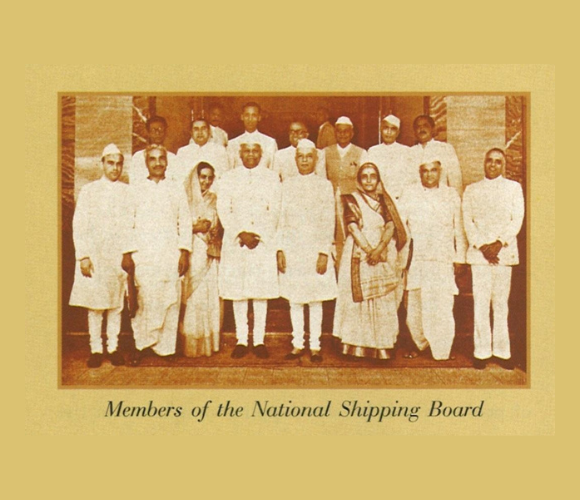
1959: Formation of National Shipping Board

National Shipping Board, a permanent statutory body was established to advise the Government of India on matters relating to shipping. INSOA was represented in the first Board by Smt Sumati Morarji, Sir A Ramaswamy Mudaliar and Shri Vikramsingh Vallabhdas.

1961: India’s national carrier

Shipping Corporation of India (SCI) was established as India’s national carrier. It was incorporated by amalgamating Eastern Shipping Corporation and Western Shipping Corporation in October 1961. It is India’s first public sector company in shipping and operates a fleet including passenger liners, containers, bulk carriers, and tankers.

1964: National Maritime Day

First National Maritime Day celebrated on 5th April to commemorate the maiden voyage of S S Loyalty. From this year, the Day is celebrated every year.

1974: Recommendation of formation of an Indian classification society

Recognizing the necessity for India to have it's own classification society, the Government of India constituted a Steering Committee (known as Mudaliar Committee) whose recommendation for formation of an Indian classification society was accepted in 1974.

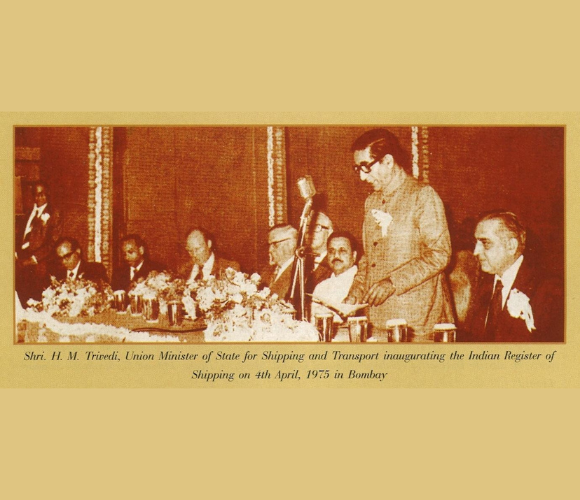
1975: Formation of the Indian Registrar of Shipping (IRClassS)

Indian Registrar of Shipping (IRS) was formed in 1975. Capt. J.C. Anand, then President of INSA and one of the founder members of the Company of Master Mariner of India (CMMI), was instrumental in setting up the Indian classification society. IR Class gained full member status in the International Association of Classification Societies (IACS).

1976

Indian Fleet crosses the milestone mark of 5 Million GT.

1977

The Institute of Marine Engineers (India) was registered as a Society under the Societies Registration Act XXI of 1860 on 29 October 1977.

1979

Indian National Shipowners’ Association completes 50 glorious years and was incorporated as a company on September 10.

1982

Indian Fleet crosses the milestone mark of 6 Million GT.

1992

Asian Shipowners’ Association (ASA) was formed with Indian National Shipowners’ Association as one of the founding members.

1996

Indian Fleet crosses the milestone mark of 7 Million GT.

2001

The Rakesh Mohan Committee recommends important measures for the revival and growth of Indian shipping.

2004

Introduction of Tonnage Tax

The introduction of Tonnage Tax has supported the shipping industry's long-term growth.

INSA completes 75 years with Shri P.K. Srivastava at the helm of INSA as President.

2011

Indian fleet crosses the milestone mark of 10 Million GT.

2017

Indian fleet crosses the milestone mark of 11 million in GT.

2020

INSA leads the industry's response to the unprecedented challenges faced during the COVID-19 pandemic.

2025

Indian Fleet crosses another significant GT milestone.

2026

Global Maritime Participation

INSA once again became a full member of the International Chamber of Shipping (ICS), strengthening India's representation in the global maritime community.